
שם שמשנה גורל: מה לעשות כשלכלה יש את אותו שם כמו לחמותה?
הוספת שם שני כפתרון לקונפליקט שמות
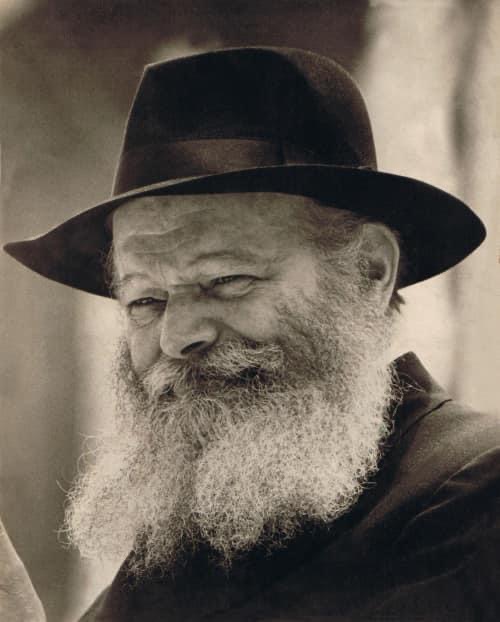
A Second Name — A New Channel of Blessing
The Rebbe explained: when a bride bears the same name as her mother-in-law, it creates a spiritual difficulty — two people with identical names in one family may "draw upon" spiritual flows intended for the other. The solution the Rebbe recommended is to add a second name for the bride during a public Torah reading, in the "Mi Sheberach" prayer. Importantly, the new name must come first, before the original. For example, if the bride was called Miriam and the mother-in-law is also Miriam, the bride becomes "Leah-Miriam." The new name creates a new spiritual identity, a new channel for Divine blessing, as though an additional door opens in the heavenly chambers. This is not a formality but a profound spiritual act that changes the very essence of the connection between the soul and its name.
The Thirty-Day Rule
The Rebbe insisted: after adding the new name, one must wait thirty days before announcing the engagement. The name must "take root" — it must be actively used in daily life: when called to the Torah, in prayers, in documents, and in how friends and relatives address the person. Thirty days is the halachic period after which a new name is considered fully established. Announcing the engagement prematurely may prevent the name from taking hold, leaving the spiritual problem of matching names unresolved. Patience here is not merely a virtue but a practical necessity ensuring the strength of the spiritual foundation of the future marriage.
Distance and Respect
The Rebbe also recommended: the young couple should not live in the same city as the mother-in-law if the bride's and mother-in-law's names match. Physical distance reduces the spiritual "friction" between identical names. However, if the names only partially overlap — for example, the mother-in-law is called Miriam while the bride is Miriam-Leah — then according to the Tzemach Tzedek (the third Lubavitcher Rebbe), this raises less concern. A partial match does not create a full spiritual "overlay," and in such cases greater flexibility may be exercised. Nevertheless, consultation with a competent rabbi is essential in each specific case.
?אהבת את המאמר? שתף עם חברים